Get to know us
Life at AFRY
We want your time at AFRY to be the best of your career, and offer a workplace where we encourage you to develop while making a positive impact on society. As you shape sustainable solutions for our clients, we focus on shaping sustainable solutions for you. On this page, we invite you to get a glimpse into life at AFRY, our values, and our company culture.
Making Future
Sustainability lies at the core of our business strategy and is reflected in our mission to accelerate the transition towards a sustainable society. We have been at the forefront of industrial transformation for more than 125 years, and hired our first environmental consultant as early as 1901. We are proud of our history, but with the growing demand for scalable and sustainable solutions among our clients and society at large, our commitment to sustainability has never been more relevant than now. This is where you enter the picture. We provide a platform where your contributions go beyond the ordinary job – as part of our team, you actively contribute to shaping a more sustainable society. Join us in making future.
Our values
Our core values, being brave, devoted, teamplayers, shape and guide our company, culture and how we work together. We invite you to get a glimpse into what our values mean in everyday life at AFRY, through the eyes of those who bring it to reality each day, our people. How well do they resonate with you?

Brave
"For me, being brave means taking on challenges that push me beyond of my comfort zone. And don't get me wrong: I like to be comfy, like everyone else. But learning to challenge the status quo is what makes us grow and get better. And when mistakes come along (because they always come along), it's important to be part of a team that learns from them and strives to grow together. That is what I have found at AFRY."
- Nicola La Rocca, Head of Office & Water Department Berlin, Germany
Devoted
"For me, being devoted means believing in always doing our best, no matter the challenge. It means always being devoted to deliver excellent results to the client with a shared vision, Making Future. With every project, our goal is to make a positive impact by contributing with sustainable solutions."
- Lidia Libanio, Procurement Coordinator, Brazil

Team players
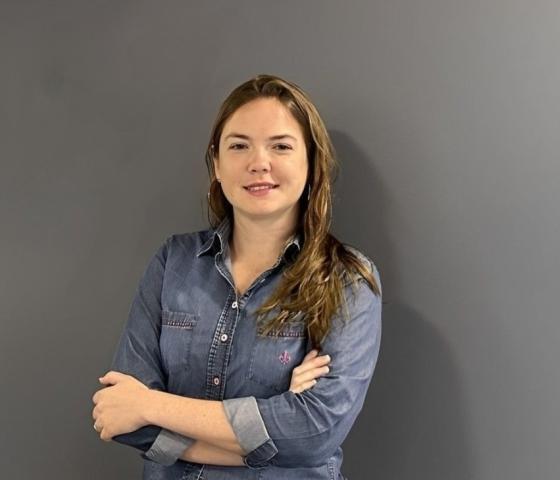
"For me, being a team player means that I work with many collaborative people from different backgrounds who are truly supportive and help each other to create and develop sustainable solutions. To plan and design cities we need a team of people with various expertise to work together. This is what I experience at AFRY."
- Mustafa Sherif, Group Manager Urban Planning, Sweden
Benefits at AFRY
Our purpose of being is our mission to accelerate the transition toward a sustainable society. This is only possible because of the great contributions of our people. While you are shaping sustainable solutions for our clients, AFRY’S benefits are created to shape sustainable solutions for you as an employee. With a focus on your long-term wellbeing and growth, our benefits are designed to unlock your full potential as an individual, a valued colleague and an employee.
- Remuneration & Reward
- Sustainable employee
- Life, culture & belonging
- Continuous growth & development
We care about you being rewarded fairly based on your performance. With our remunerations, we are committed to supporting you throughout your life journey. We place a high value on your sense of security, both in the present and in the future.
We care about your health and wellbeing, both today and in the future. At AFRY, you are part of creating sustainable solutions for society. In order to succeed in this, your long-term sustainability as an employee is important to us.
We care about fostering an inclusive and welcoming culture, where you feel a sense of belonging and thrive alongside both colleagues and clients. We care about your life outside of work and offer perks that support you wherever you are in your life journey.
We care about your development and your role in something bigger. We empower you to make a positive impact on society while developing your skills. Through impactful assignments, trainings, collaborations, and knowledge sharing, we encourage opportunities for growth and meaningful contributions.
Some global benefits when joining AFRY

Leadership at AFRY
At AFRY, our leadership philosophy is about more than just leading—it's about inspiring positive transformation. Be part of a culture that encourages your growth, celebrates innovation, and thrives on collaboration. Our leaders are the cornerstone of our success, guiding us towards a sustainable future by delivering on our strategy, and developing our business and our people. Through continuous development and embodiment of AFRY's Brave Leadership principles, our leaders help shape the future of our company.